
When Classical Architecture Becomes a Political Symbol
In our previous post, The Far-Right Obsession With Classical Architecture – Similarities with The Handmaid’s Tale, we explored how classical architecture has increasingly been co-opted by far-right movements as a symbol of power, tradition, and control. From its use in fascist regimes to more recent initiatives such as Trump’s “Make Federal Buildings Beautiful Again” order, these political appropriations have sparked renewed debate about the meaning of classical forms. Similar themes appear in cultural narratives like The Handmaid’s Tale, where the regime of Gilead uses neoclassical imagery to project authority and uphold a strict, hierarchical social structure. Given this context, it is important to question: Can we truly separate classical architecture from ideology?

Reframing Classical Architecture Over Ideology in Urban Contexts
Despite its political baggage, many contemporary architects continue to embrace classical architecture over ideology, using classical language not as an endorsement of tradition, but as a way to celebrate craftsmanship, urban coherence, material richness, and formal harmony. A column, after all, can still symbolize strength without necessarily evoking empire.
More Than Aesthetic: What Classical Forms Mean to Those Who Design Them
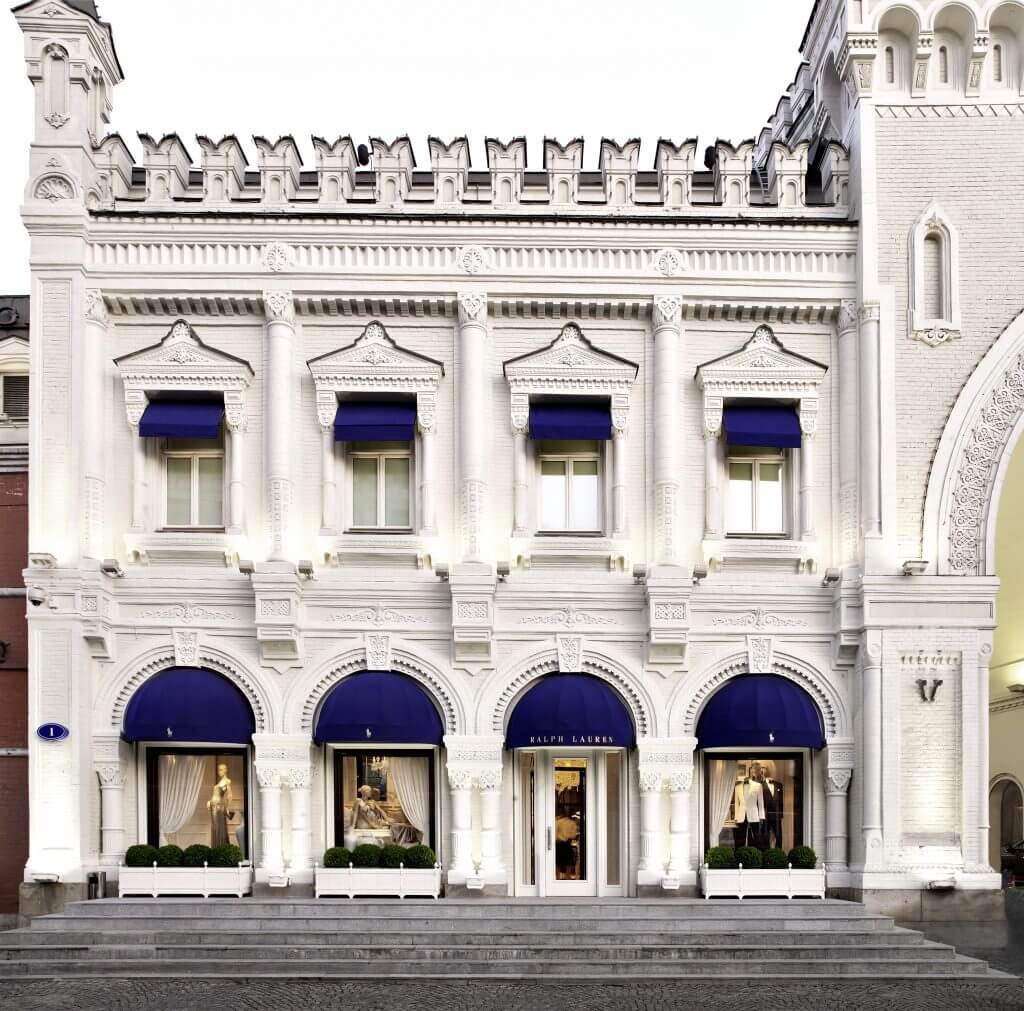
Our client, Gregory Tuck, an architect who has worked with classical architecture for over 20 years, shared with us what draws him to work with this style. For him, classical architecture is more than just a design language, it’s also an expression of the human touch. From intricately detailed facades to hand-carved marble elements and precisely laid stone foundations, each feature reflects a level of craftsmanship that speaks to the care and labor behind it. Greg believes that every project carries a piece of its creator, allowing the designer’s story to live on through the architecture itself.
When Classical Feels Out of Place: The Risk of Ignoring Context
Going back to Greg’s point of view, he agrees that although classic architecture can be used to endorse the beauty of manual work and the richness of details, it does not fit everywhere or in every context. Rooted in Western ideals, its forms and symbolism may not resonate across all cultures or climates. Applying classical styles without considering local conditions or cultural identity can feel out of place or even dismissive. This is why context matters – the most meaningful architecture does not blindly replicate the past but instead responds thoughtfully to its surroundings.
Timeless Elegance Meets Urban Density: The Four Seasons Hotel & Residences in New York City
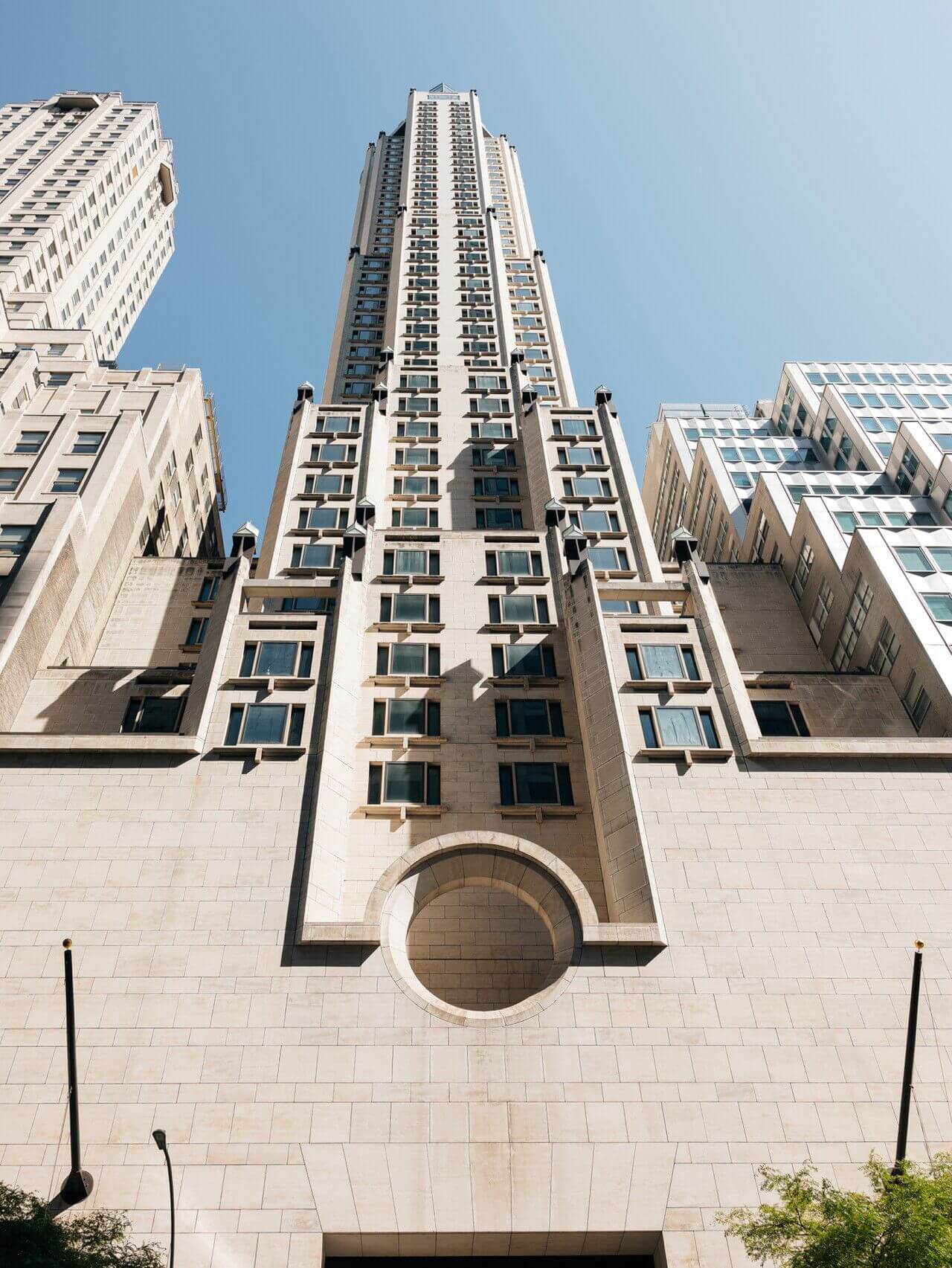
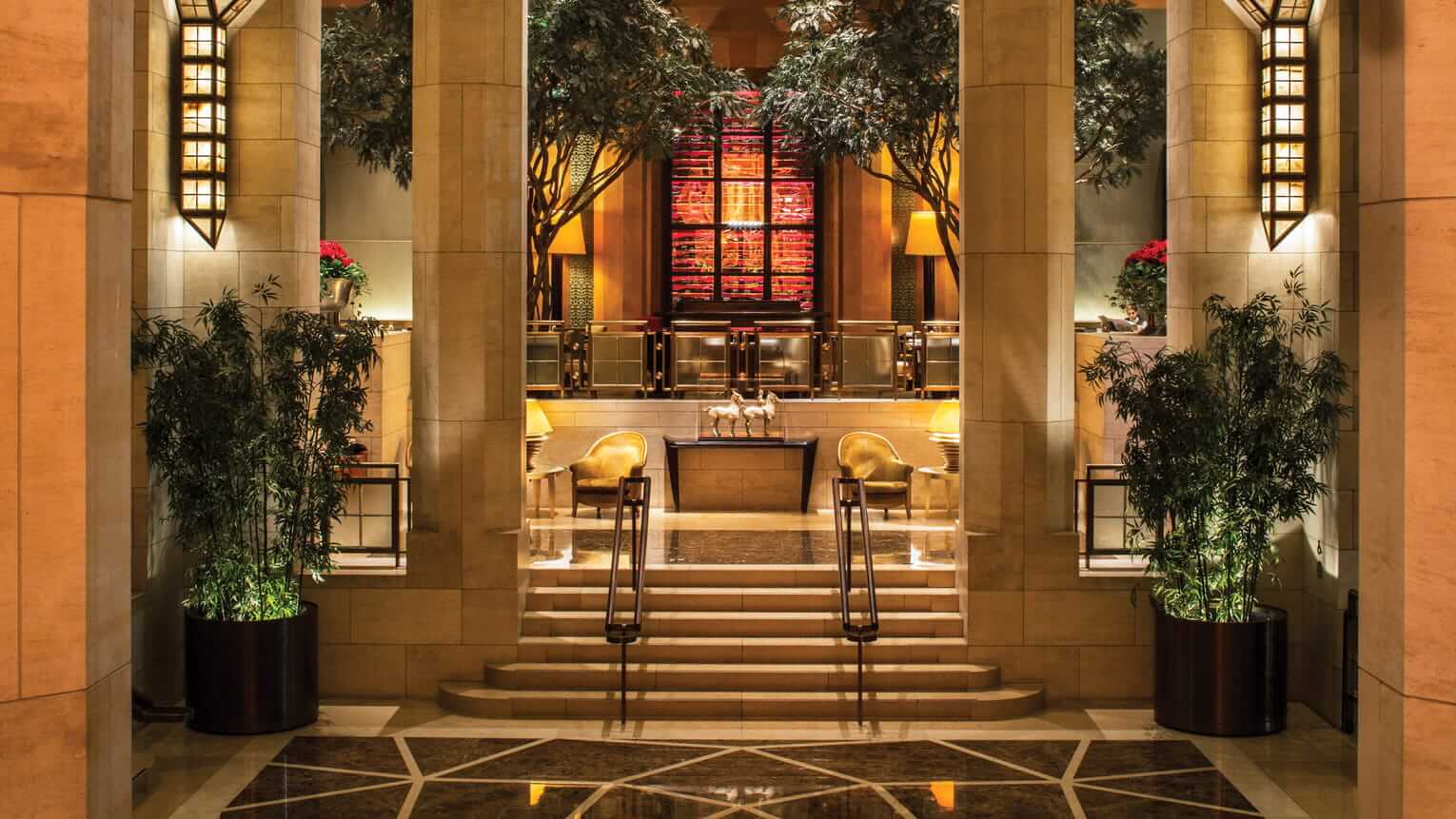
A great example of a building that uses classical architecture elements and blends perfectly into the urban context is The Four Seasons Hotel & Residences in New York City. completed in 1993 on Billionaires’ Row in Manhattan, successfully integrates classical architectural elements within a modern high-rise format, allowing it to harmonize with New York’s dense urban fabric. Its use of limestone cladding and vertical pilasters echoes the traditional masonry materials and rhythms found in many of the city’s historic buildings, creating a visual continuity with its surroundings. The building’s carefully proportioned façade, with symmetrical arrangements and subtle classical detailing, provides a sense of order and refinement amid the city’s varied skyline. By blending classical design language with contemporary scale and function, the Four Seasons respects the architectural heritage of its setting while meeting the demands of a modern mixed-use development, making it both timeless and contextually appropriate.
Keeping the Beauty, Losing the Dogma: A New Path for Classicism
Given this context, it becomes clear that classical architecture can still hold relevance in contemporary design without being tied to far-right ideology. When used thoughtfully and in settings where it resonates culturally, historically, or contextually, classical architecture can contribute meaningfully to the built environment. The key lies not in rejecting the style outright, but in understanding its symbolism, adapting it with intention, and ensuring it responds appropriately to its surroundings. In doing so, we preserve its artistic and cultural value while distancing it from ideological misuse.